Follow Me On Social Media!

Cantonese Chow Mein: The Best Comfort Dish for Family Nights

Introduction to Cantonese Chow Mein: A Comforting Classic from the Family Table
Cantonese Chow Mein is more than just a dish; it’s a vibrant symbol of home-cooked love, often reminding me of bustling family dinners where laughter and flavor intertwine. The satisfying crunch of noodles, combined with a medley of fresh vegetables and savory proteins, makes this dish an all-time favorite. Growing up, I remember weekends filled with the warm aroma of stir-fried goodness wafting through the kitchen, inviting family and friends to gather around the table. With just one bite of that Cantonese Chow Mein, you realize this is comfort food at its finest.
What makes Cantonese Chow Mein so special?
The magic of Cantonese Chow Mein lies in its incredible versatility and balance of flavors. Traditionally, it’s known for its crispy stir-fried noodles tossed with a colorful array of ingredients. Here’s what makes it stand out:
-
Texture Harmony: The contrast between crispy fried noodles and soft, tender vegetables creates an exciting mouthfeel. Each bite offers a delightful crunch, beautifully complemented by the juicy, stir-fried meats or tofu.
-
Fresh Ingredients: At the heart of Cantonese Chow Mein are fresh, vibrant vegetables. Think bell peppers, snap peas, and bean sprouts, which not only enhance the visual appeal but also enrich the nutritional value of the dish. Using seasonal produce elevates every forkful.
-
Easy to Personalize: Whether you’re vegetarian, vegan, or a meat lover, this dish easily adapts to your dietary preferences. You can swap out proteins or vegetables based on what you have on hand or what you’re in the mood for.
-
Sauces That Sing: The right sauce can take it from good to unforgettable. A mix of soy sauce, oyster sauce, or a hint of sesame oil can bring everything together with layers of umami that keep you coming back for more.
Enjoying Cantonese Chow Mein isn’t just about the taste; it’s about sharing moments with loved ones, making it truly a dish from the heart. Preparing this comforting classic can turn any mealtime into a warm gathering, filled with laughter and delightful conversation. Embrace the charm of Cantonese Chow Mein as you create your own family traditions around the table!
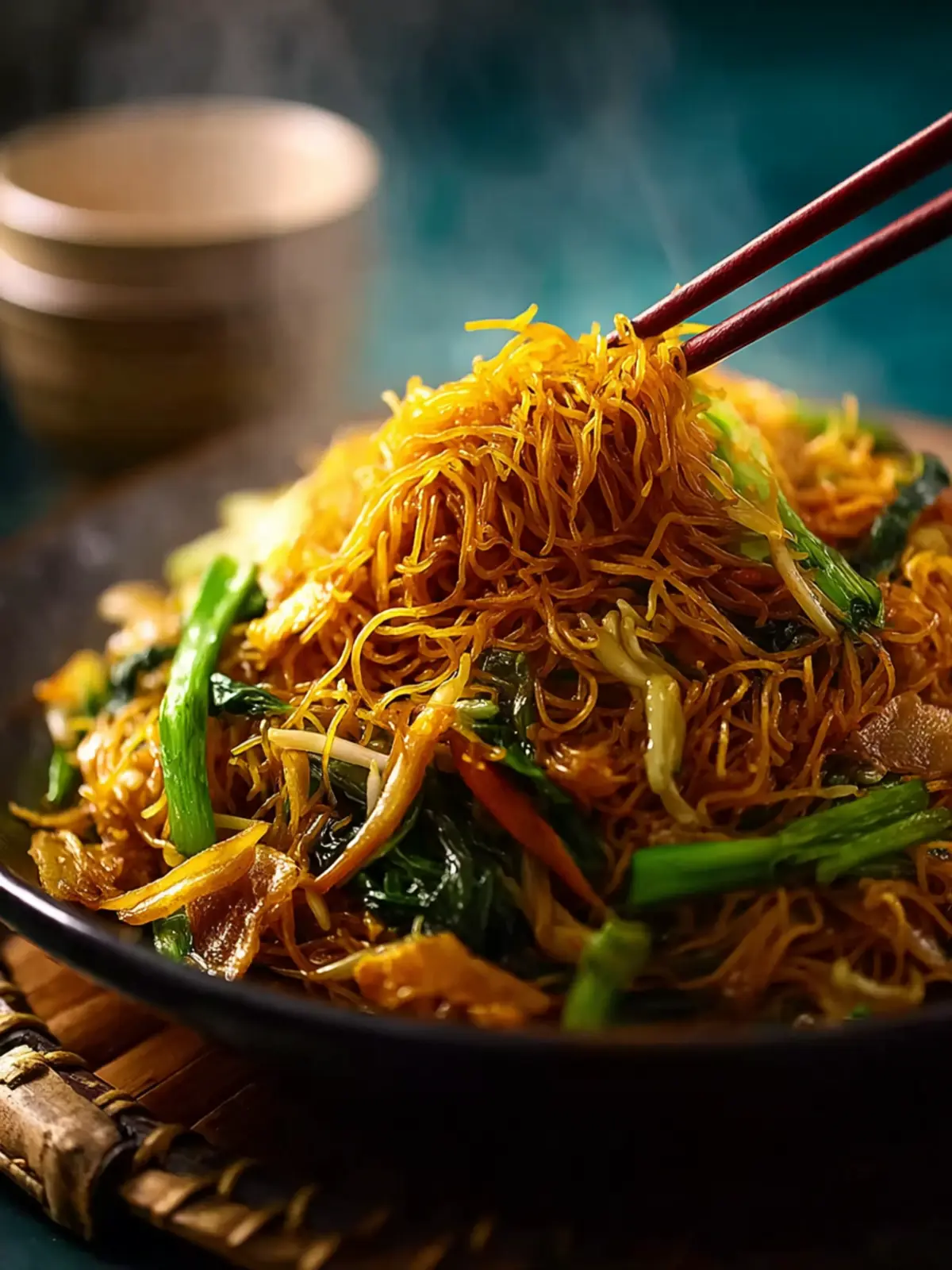
Key Ingredients for Cantonese Chow Mein
Fresh Egg Noodles: Using fresh egg noodles is essential for achieving that signature chewy texture in your Cantonese Chow Mein. Their thickness absorbs flavor beautifully and contributes to the dish’s comforting feel. If you can’t find fresh noodles, dried egg noodles work in a pinch—just be sure to cook them according to package instructions!
Chicken Breast: For protein, I rely on chicken breast, sliced thinly to cook quickly and absorb the savory flavors of the sauce. Feel free to swap it for shrimp or tofu based on your preference for a different twist.
Soy Sauce and Oyster Sauce: A mixture of soy sauce and oyster sauce creates the base of the savory, umami-rich flavor. The oyster sauce adds a touch of sweetness that balances the saltiness of the soy sauce.
Sesame Oil and Cornstarch: A splash of sesame oil enhances the aroma of the dish, while cornstarch is a key player here, as it helps to thicken the sauce and coat the noodles beautifully.
Garlic and Fresh Vegetables: I always include garlic for depth, along with fresh vegetables like bell peppers and bean sprouts to add color and crunch. These ingredients bring freshness and nutrition to this delightful comfort food.
Chicken Broth: A little chicken broth adds moisture and richness to the dish, fully tying the ingredients together for a wholesome meal.
Why You’ll Love This Recipe
Cook up a steaming plate of Cantonese Chow Mein and you’ll immediately be transported to the bustling streets of Hong Kong, where the savory aroma of stir-fried noodles fills the air. This dish isn’t just food; it’s a comforting embrace from your childhood or a delightful discovery waiting to happen. Whether it’s a weeknight dinner or a casual weekend gathering, this recipe effortlessly fits into your life.
One of the most captivating aspects of Cantonese Chow Mein is its versatility. You can easily customize it to include your favorite proteins—chicken, shrimp, or even tofu—making it both nourishing and satisfying. Moreover, the array of colorful vegetables not only adds a heap of nutrition but makes the presentation so inviting.
Cooking this dish is also a chance to create new memories around the dinner table. Picture yourself dishing out plates of crispy noodles, all while sharing laughter and stories with friends or family. It’s a recipe that encourages togetherness and fosters a sense of belonging. The best part? It’s quick to prepare, so you can spend less time in the kitchen and more time enjoying the company of loved ones. You’ll find that one bite of Cantonese Chow Mein has the power to turn an ordinary day into something extraordinary.
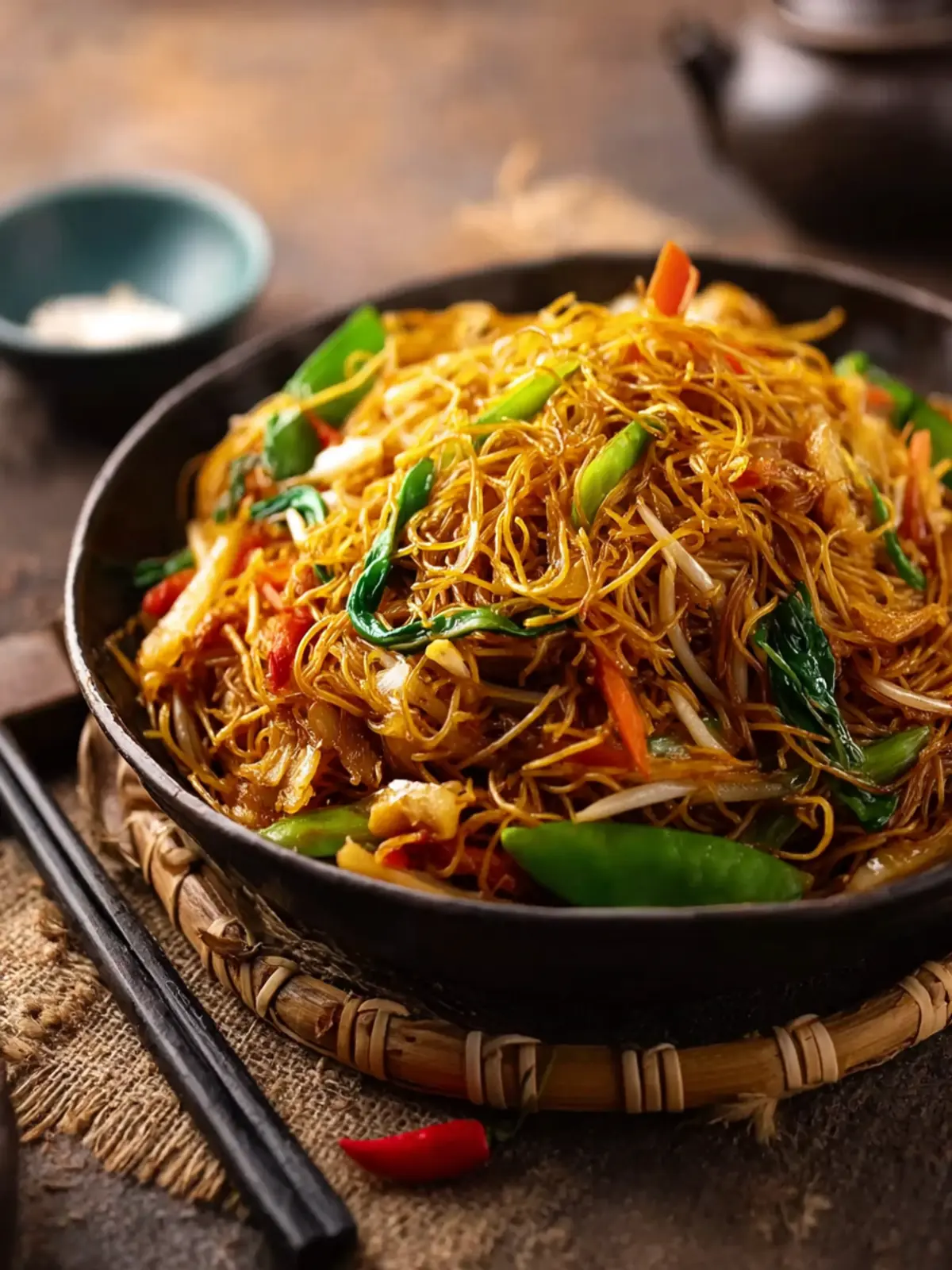
Variations on Cantonese Chow Mein
Cantonese Chow Mein is more than just a beloved dish; it’s a canvas that embraces a multitude of flavors and ingredients. Whether you prefer a hearty meal or a lighter option, there are countless ways to customize this classic to fit your cravings.
Delicious Vegetarian Options
For a vibrant, plant-based experience, you can easily transform Cantonese Chow Mein into a vegetarian delight. Consider using mushrooms like shiitake or portobello for a rich, earthy flavor. Adding an array of crunchy vegetables such as bell peppers, carrots, and snow peas brings color and nutrients, while tofu or tempeh serves as a hearty protein substitute. A splash of soy sauce and a sprinkle of sesame oil can elevate the dish while keeping it completely meat-free.
Different Protein Choices
If you’re looking to amplify the protein of your Cantonese Chow Mein, the choices are abundant. Common options include shrimp, which absorbs all the flavors beautifully while adding a sweet seafood essence. For a more robust texture, try chicken or beef marinated in oyster sauce for that signature umami punch. Even pork stir-fried until golden can bring a satisfying richness without overshadowing the noodles.
Noodle Alternatives
The noodles you choose can also significantly alter your dish. Traditional egg noodles are a classic for Cantonese Chow Mein, but don’t hesitate to experiment! Rice noodles or whole-grain noodles are excellent gluten-free options, while zucchini noodles offer a fresh, low-carb alternative that still captures the spirit of the dish. Each option brings a different texture, making every meal unique.
Exploring these variations allows your Cantonese Chow Mein to suit your taste, ensuring it remains a comforting staple for every dining occasion.
Cooking Tips and Notes for Perfect Chow Mein
When preparing your Cantonese Chow Mein, each detail counts to create that comforting bowl of deliciousness you crave. Here are some handy tips to elevate your dish.
Preparing Fresh Noodles
Fresh noodles are the heart of any great chow mein. Opting for freshly made egg noodles can make a world of difference. They have a distinct flavor and texture that’s versatile and satisfying. If fresh noodles aren’t an option, look for high-quality dried egg noodles. Remember to soak them in hot water just until softened, not fully cooked, as they will finish cooking in the stir-fry.
Optimal Marination Techniques
To intensify the flavors in your chow mein, marinate your protein. A blend of soy sauce, a splash of sesame oil, and minced ginger works wonders. Allow your meat or tofu to marinate for at least 30 minutes, or even overnight for more depth. This step ensures that each bite of your Cantonese Chow Mein is packed with flavor, enhancing the overall experience of your meal.
Achieving the Perfect Crisp
Nothing beats the delightful crunch of well-cooked vegetables in chow mein. Use a high heat when stir-frying to achieve that coveted crispiness. Don’t overcrowd the pan; working in batches ensures everything gets that perfect char. A splash of cold water at the end of cooking can create steam for just the right texture without losing that satisfying crunch.
With these tips, you’re ready to whip up a Cantonese Chow Mein that will impress family and friends alike! Happy cooking!
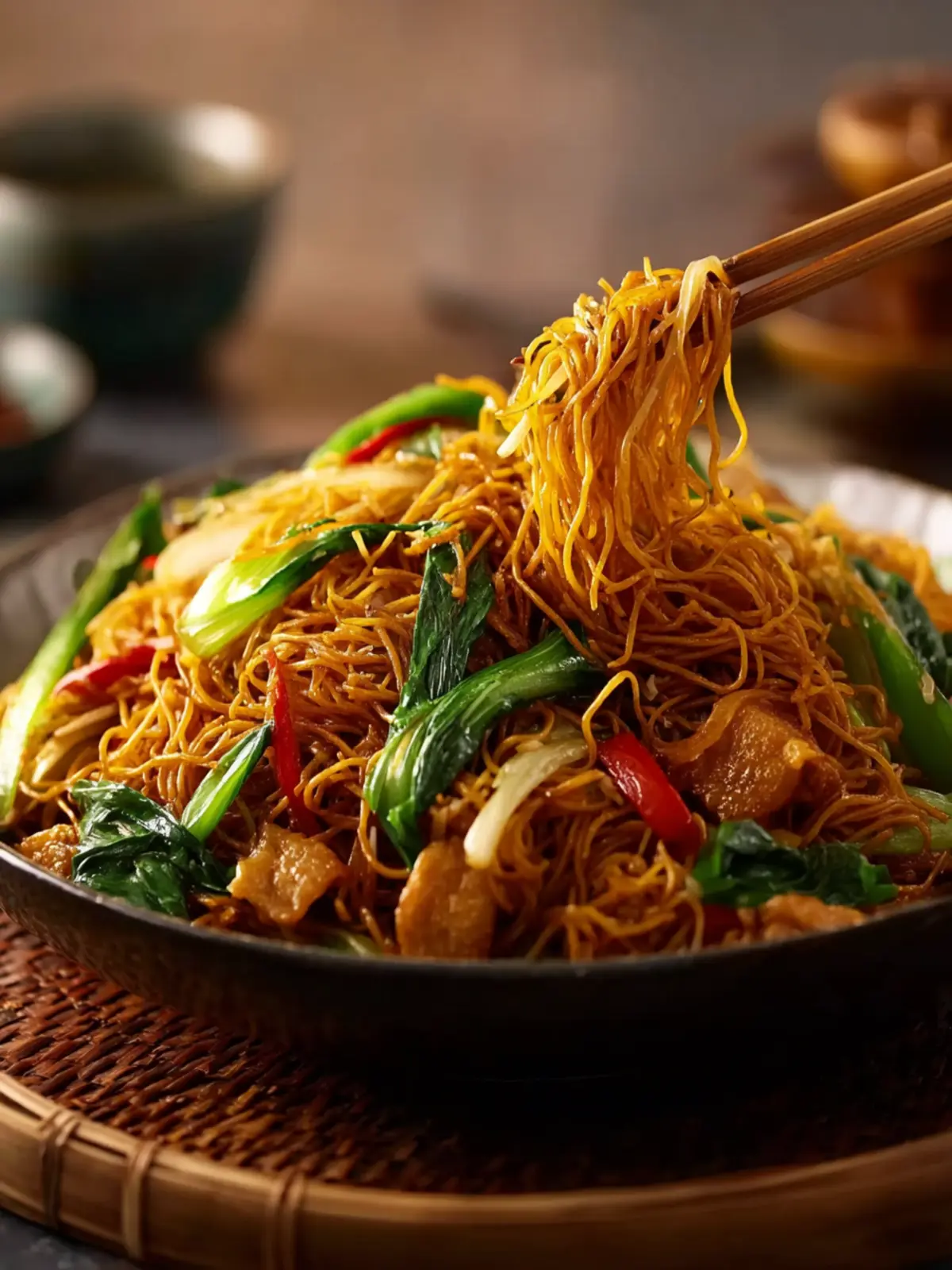
Serving Suggestions for Cantonese Chow Mein
Finding the perfect way to elevate your Cantonese Chow Mein experience can turn a simple meal into a delightful feast. It’s not just about what’s on your plate; it’s how you complement that flavorful dish with other elements that make it truly shine.
Complementary Side Dishes
Pair your Cantonese Chow Mein with these delightful sides for a balanced meal:
- Spring Rolls: A crunchy, savory side that offers a delightful contrast in texture.
- Steamed Dumplings: Whether pork, chicken, or vegetable-filled, they bring a burst of flavor that pairs beautifully.
- Wonton Soup: Light and brothy, it’s a comforting compliment that warms the soul.
Ideal Beverage Pairings
Choosing the right beverage to accompany Cantonese Chow Mein enhances your dining experience:
- Jasmine Tea: Its fragrant notes help cleanse the palate between bites.
- Chardonnay: A chilled glass can elegantly complement the dish without overpowering it.
- Sparking Water: For a refreshing non-alcoholic option, its effervescence adds a nice touch.
By thoughtfully selecting these sides and drinks, you can create a memorable meal that showcases the comforting essence of Cantonese Chow Mein.
Time Breakdown for Preparation and Cooking
Preparing a plate of Cantonese Chow Mein brings eagerly anticipated comfort to the dinner table, and knowing how to manage your time can enhance your cooking experience. Here’s how it breaks down:
Preparation Time
Spend about 15 minutes gathering and prepping your ingredients. This includes slicing vegetables, marinating meat if desired, and ensuring everything is ready to go.
Cooking Time
Once the prep work is done, the cooking process takes around 15-20 minutes. You’ll be stir-frying rapidly to achieve that perfect texture and flavor.
Total Time
In total, you’re looking at 30-35 minutes from start to finish. Trust me, with this timing, you’ll have a delicious homemade Cantonese Chow Mein ready to share with loved ones in no time!
Nutritional Facts for Cantonese Chow Mein
Cantonese Chow Mein not only warms the heart but also nourishes the body. Understanding its nutritional profile can help you enjoy this classic dish while keeping your dietary goals in check.
Calories
A serving of Cantonese Chow Mein typically contains around 350 calories, making it a satisfying yet manageable choice for any meal.
Protein
When it comes to protein, this dish packs about 15 grams per serving. This makes it a good option for those looking to maintain a balanced diet, as the protein helps in muscle repair and growth.
Carbohydrates
Cantonese Chow Mein is rich in carbohydrates, offering roughly 50 grams per serving. These carbs provide a quick source of energy, perfect for powering through your busy day.
Fats
With about 10 grams of fat, this dish keeps it light. The fats mainly come from the oil used in stir-frying, which is essential for the delightful texture and flavor.
By understanding these nutritional facts, you can enjoy your Cantonese Chow Mein with confidence, knowing you’re indulging in a delicious and hearty meal.
FAQs about Cantonese Chow Mein
When diving into the world of Cantonese Chow Mein, many questions often arise. This classic dish is simple yet exquisite, making it a staple at family dinners. To help you navigate your Chow Mein journey, we’ve gathered some frequently asked questions to illuminate common concerns.
Can I make Chow Mein without soy sauce?
Absolutely! While traditional Cantonese Chow Mein typically includes soy sauce for its unique umami flavor, there are alternatives. You can experiment with coconut aminos for a soy-free option, or simply use a splash of fish sauce for depth. For a lighter flavor, try vegetable broth with a hint of miso paste.
How do I store leftovers?
Storing your Cantonese Chow Mein correctly ensures that it stays delicious for the next meal. Place leftover chow mein in an airtight container and refrigerate it. It should last about 3 to 4 days. When you’re ready to enjoy it again, reheat it in a skillet over medium heat for the best texture, adding a splash of water or broth to prevent it from drying out.
What can I use instead of chicken?
If you’re looking to swap out chicken in your Cantonese Chow Mein, there are plenty of flavorful options. Tofu offers a great vegetarian alternative—press it to remove excess moisture and sauté until golden. Alternatively, shrimp or beef can be used, if you prefer seafood or red meat. You can even load up on seasonal vegetables for a delightful, colorful twist!
Feel free to get creative with your ingredients while keeping that comforting essence of Cantonese Chow Mein alive!
Conclusion on Cantonese Chow Mein
Cantonese Chow Mein is not just a dish; it’s a comforting classic that brings back treasured memories of sharing meals with loved ones around the family table. This delightful stir-fry balances crispy noodles with an array of fresh vegetables and your choice of protein, creating a satisfying meal that’s perfect for any occasion. It’s versatile, allowing you to get creative with whatever ingredients you have on hand. So, whether you’re whipping it up for a busy weeknight or impressing guests, this recipe will deliver warmth and nostalgia with every bite. Dig in and enjoy the heart of Cantonese cuisine!
Print
Cantonese Chow Mein
- Total Time: 35 minutes
- Yield: 4 servings 1x
- Diet: Gluten-Free
Description
A delicious Cantonese dish featuring crispy noodles topped with stir-fried chicken and vegetables.
Ingredients
Scale
- 12 oz fresh egg noodles
- 8 oz chicken breast, thinly sliced
- 2 tablespoons soy sauce
- 1 tablespoon oyster sauce
- 1 teaspoon sesame oil
- 1 teaspoon cornstarch
- 1/2 teaspoon sugar
- 1/4 teaspoon white pepper
- 2 tablespoons vegetable oil
- 2 cloves garlic, minced
- 1 cup bean sprouts
- 1/2 cup julienned carrots
- 1/2 cup sliced napa cabbage
- 3 green onions, cut into 2-inch pieces
- 1/4 cup chicken broth
Instructions
- Prepare the Noodles: If using fresh egg noodles, gently loosen them with your hands. Bring a pot of water to a boil and blanch the noodles for about 30 seconds. Drain thoroughly.
- Marinate the Chicken: In a bowl, combine sliced chicken with 1 tablespoon soy sauce, cornstarch, sesame oil, and white pepper. Let it sit for 10–15 minutes.
- Pan-Fry the Noodles: Heat 1 tablespoon of vegetable oil in a large skillet or wok over medium-high heat. Spread the noodles evenly into a thin layer. Press them gently with a spatula and let them cook undisturbed for 3–4 minutes until the bottom turns golden brown and crispy. Flip carefully and cook the other side. Remove and set aside.
- Stir-Fry the Chicken: Add the remaining oil to the pan. Stir-fry the marinated chicken until just cooked through. Remove and set aside.
- Cook the Vegetables: In the same pan, add garlic and sauté briefly until fragrant. Toss in carrots and napa cabbage. Stir-fry for 1–2 minutes. Add bean sprouts and green onions last to keep them crisp.
- Combine and Sauce: Return the chicken to the pan. Add oyster sauce, remaining soy sauce, sugar, and chicken broth. Stir to coat everything lightly. Place the crispy noodles on a serving plate and spoon the stir-fry mixture over the top.
Notes
- Moisture is the enemy of crispiness, make sure to drain the noodles thoroughly.
- The vegetables should remain vibrant and slightly crunchy to retain their freshness.
- This recipe is an authentic representation of Cantonese cooking.
- Prep Time: 15 minutes
- Cook Time: 20 minutes
- Category: Main Dish
- Method: Stir-Frying
- Cuisine: Chinese
Nutrition
- Serving Size: 1 plate
- Calories: 450
- Sugar: 1 g
- Sodium: 800 mg
- Fat: 24 g
- Saturated Fat: 3 g
- Unsaturated Fat: 18 g
- Trans Fat: 0 g
- Carbohydrates: 40 g
- Fiber: 2 g
- Protein: 30 g
- Cholesterol: 80 mg