Follow Me On Social Media!

How to Cook Couscous: Easy Tips for Perfectly Fluffy Grains

Introduction to How to Cook Couscous
Imagine a warm bowl of fluffy couscous, each grain perfectly separated and brimming with flavor—this is not just a dish, but a delightful culinary experience that brings a touch of the Mediterranean right to your kitchen. How to cook couscous might seem like a straightforward task, but there are nuances that can elevate this simple grain into a star player of your meals.
Couscous, which originates from North Africa, is made from semolina wheat, making it naturally light and versatile. With a subtle nutty flavor, couscous serves as an excellent base for countless dishes, from salads and stir-fries to being paired with roasted vegetables or simply drizzled with your favorite dressing. Whether you’re preparing a cozy weeknight dinner or hosting a lively gathering, couscous can effortlessly adapt to your culinary needs.
What makes couscous a delightful addition to your meals?
-
Quick and Convenient: One of the joys of couscous is its incredible cooking speed. In just about 5 minutes, you can transform dry grains into a light, fluffy dish. This makes it ideal for busy weeknights when time is of the essence.
-
Nutritional Benefits: Couscous offers a healthy alternative to other carbs, as it is low in fat and high in carbohydrates, making it a fantastic energy source. Plus, it’s a source of selenium, which has antioxidant properties that can help improve your overall health.
-
Versatility: The ability to absorb flavors and pair with various ingredients is what truly sets couscous apart. You can experiment with various spices, herbs, and sauces, or incorporate it into grain bowls, making it easy to align with your taste and lifestyle preferences.
So, whether you’re embracing a vegetarian lifestyle or simply trying to add more variety to your weekly meals, couscous is an option that deserves a place on your dinner table. In the sections to come, we’ll delve into the best techniques on how to cook couscous, ensuring your grains turn out perfectly every time!
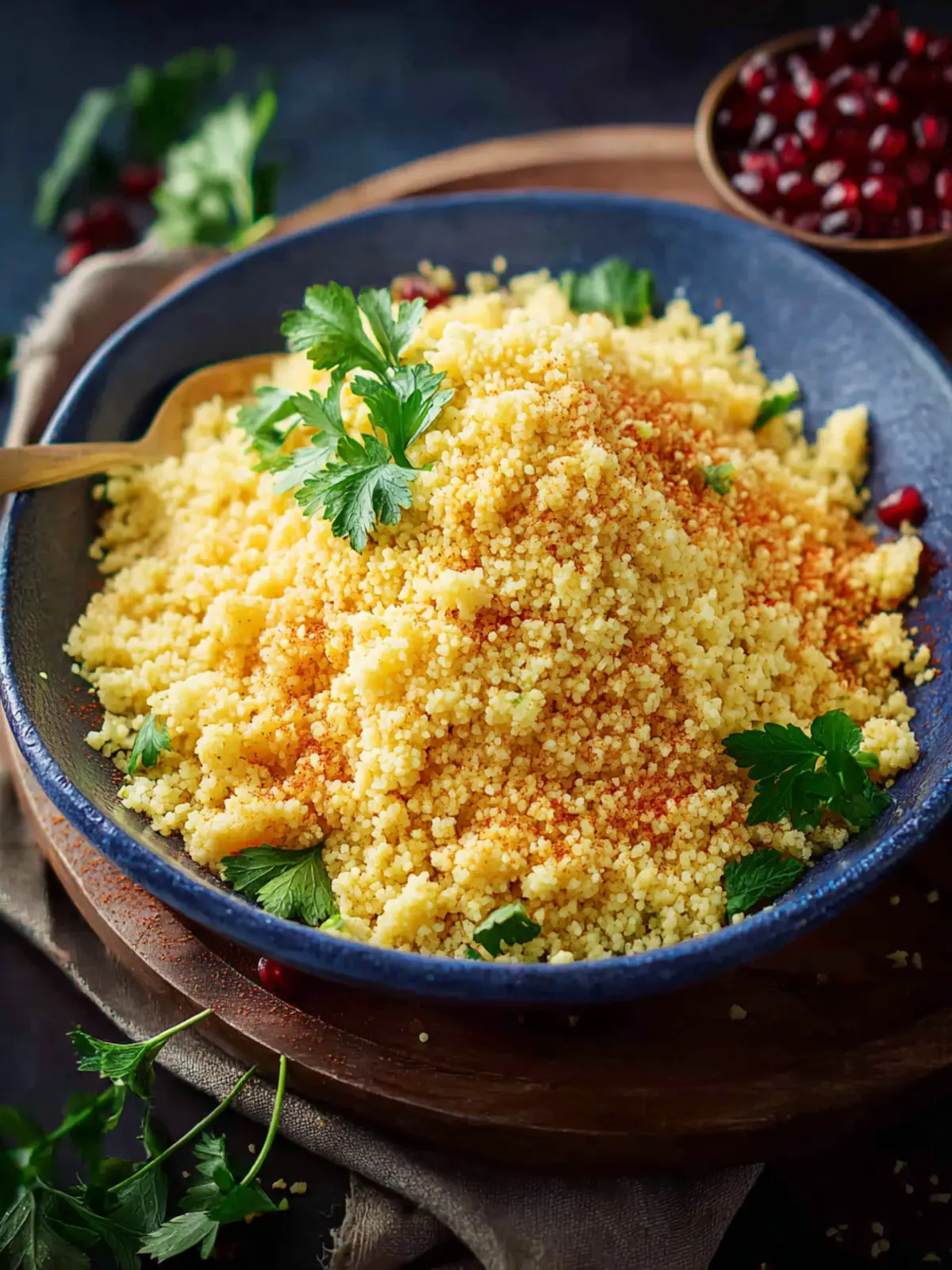
Key Ingredients for Cooking Couscous
Water: The foundation for fluffing up couscous, creating the right texture. When learning how to cook couscous, the water you use is crucial. The ratio typically calls for one part couscous to one and a half parts water. As it boils, the steaming process allows couscous to swell, resulting in a perfectly fluffy texture. Too little water can lead to dry, clumpy grains, while too much can make it soggy.
Olive Oil: Extra virgin olive oil adds a rich flavor and silky finish to the couscous, enhancing its overall taste. A drizzle added to the hot couscous right after cooking brings out those nutty notes and makes it velvety. It’s a simple step that elevates the dish and gives it a luxurious mouthfeel.
Salt: A pinch of salt seasons the water and elevates the couscous flavor. It’s a foundational ingredient that can’t be overlooked. Salt not only imparts flavor, but it also brings out the inherent nutty taste of couscous.
Couscous: The main ingredient, quick-cooking and versatile, making it a favorite in various cuisines. Whether you’re using traditional durum wheat couscous or exploring gluten-free options, this tiny pasta is loved for its adaptability. Toss it with vegetables, proteins, or sauces to create a dish that’s uniquely yours!
Why You’ll Love This Couscous Recipe
Couscous is not just another grain; it’s an experience waiting to be enjoyed. Imagine serving a fluffy, aromatic bowl of perfectly cooked couscous, transforming your dinner table into a delightful scene of comfort. Whether you’re hosting friends or enjoying a quiet night in, this couscous recipe is versatile enough to impress any palate.
Quick and Easy to Prepare
One of the standout features of couscous is how simple it is to prepare. Within minutes, you can have a light yet fulfilling dish ready. This recipe involves minimal steps, making it perfect even for those busy weeknights when time is of the essence. Plus, you don’t need any elaborate equipment—just a pot and a fork will do the trick!
Perfectly Accommodating
The beauty of couscous is its ability to complement a variety of flavors. Whether you’re in the mood for a Mediterranean-inspired mix with olives and feta, or something spicier with chickpeas and curry, the flexibility of this recipe allows for endless customization.
Nutritional Benefits
Couscous is not only delicious but also rich in vital nutrients. It’s a healthy source of carbohydrates and incorporates some protein, making it an excellent base for a balanced meal. So not only will your taste buds thank you, but your body will appreciate the wholesome ingredients—what’s not to love?
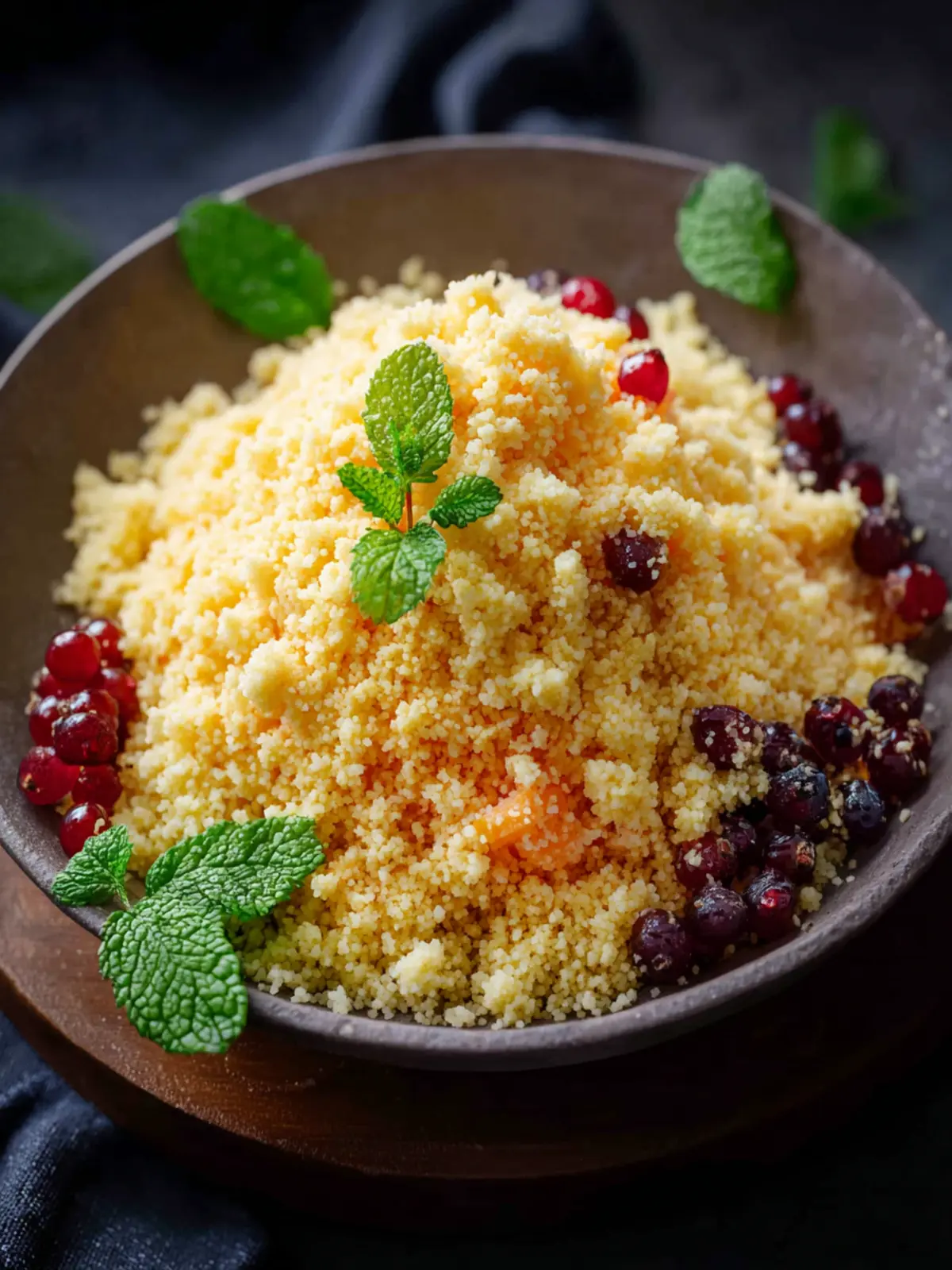
Variations of Couscous You Can Try
Couscous is a wonderfully versatile dish that pairs beautifully with various flavors and ingredients. While you might already have a favorite way to cook it, exploring these delicious variations can add excitement to your meal rotation.
Herb-Infused Couscous
Elevate your couscous by infusing it with fresh herbs! Simply add a handful of chopped parsley, mint, or basil while you’re preparing the couscous. The herbs release their fragrant oils, creating a refreshing and aromatic dish. I often serve this herb-infused option alongside grilled chicken or fish, allowing the flavors to complement each other perfectly.
Spicy Couscous
For those who crave a bit of heat, spicy couscous is an exhilarating choice. Start with your basic couscous recipe, and then mix in spices like cumin, paprika, and cayenne pepper. You can also add diced jalapeños or crushed red pepper flakes to kick up the heat. This variation pairs wonderfully with roasted vegetables or stews, adding warmth and depth to your meal.
Mediterranean Couscous Salad
Transform your couscous into a vibrant Mediterranean salad. Combine cooked couscous with cherry tomatoes, cucumbers, red onion, olives, and feta cheese. Drizzle with a lemon-olive oil dressing for a refreshing finish. This salad is perfect for meal prep or as a side at your next BBQ, bringing a taste of the Mediterranean to your table.
By experimenting with these variations, you’ll never run out of ways to enjoy couscous!
Cooking Tips and Notes for Perfect Couscous
Cooking couscous can feel like a delightful culinary adventure if you know a few tricks. Here are some handy tips to elevate your couscous game!
Choosing the Right Type of Couscous
When considering how to cook couscous, it’s essential to choose the right variety. There are several types available—most commonly, Moroccan, Israeli, and Lebanese. Moroccan couscous is the smallest and cooks quickly, while Israeli couscous is larger and has a delightful chewy texture. Lebanese couscous, also known as moghrabieh, is the largest and takes slightly longer to prepare. Your choice will affect not just cooking time but also texture and flavor!
Storing Leftover Couscous
If you’ve made more couscous than you can eat, don’t fret! Let it cool completely before transferring it to an airtight container. Stored this way, it should keep well in your refrigerator for about 3 to 5 days. For longer storage, consider freezing it. Just remember to portion it out for easy reheating later!
Adjusting Water Ratios for Different Textures
The beauty of how to cook couscous is in the water-to-couscous ratio. For fluffy couscous, a 1:1 ratio of water to couscous works perfectly. Want it a bit denser? Try using a little less water. For the lightest, fluffiest couscous, consider steaming it instead of boiling, allowing each grain to absorb moisture evenly. It’s simple tweaks like these that make all the difference!
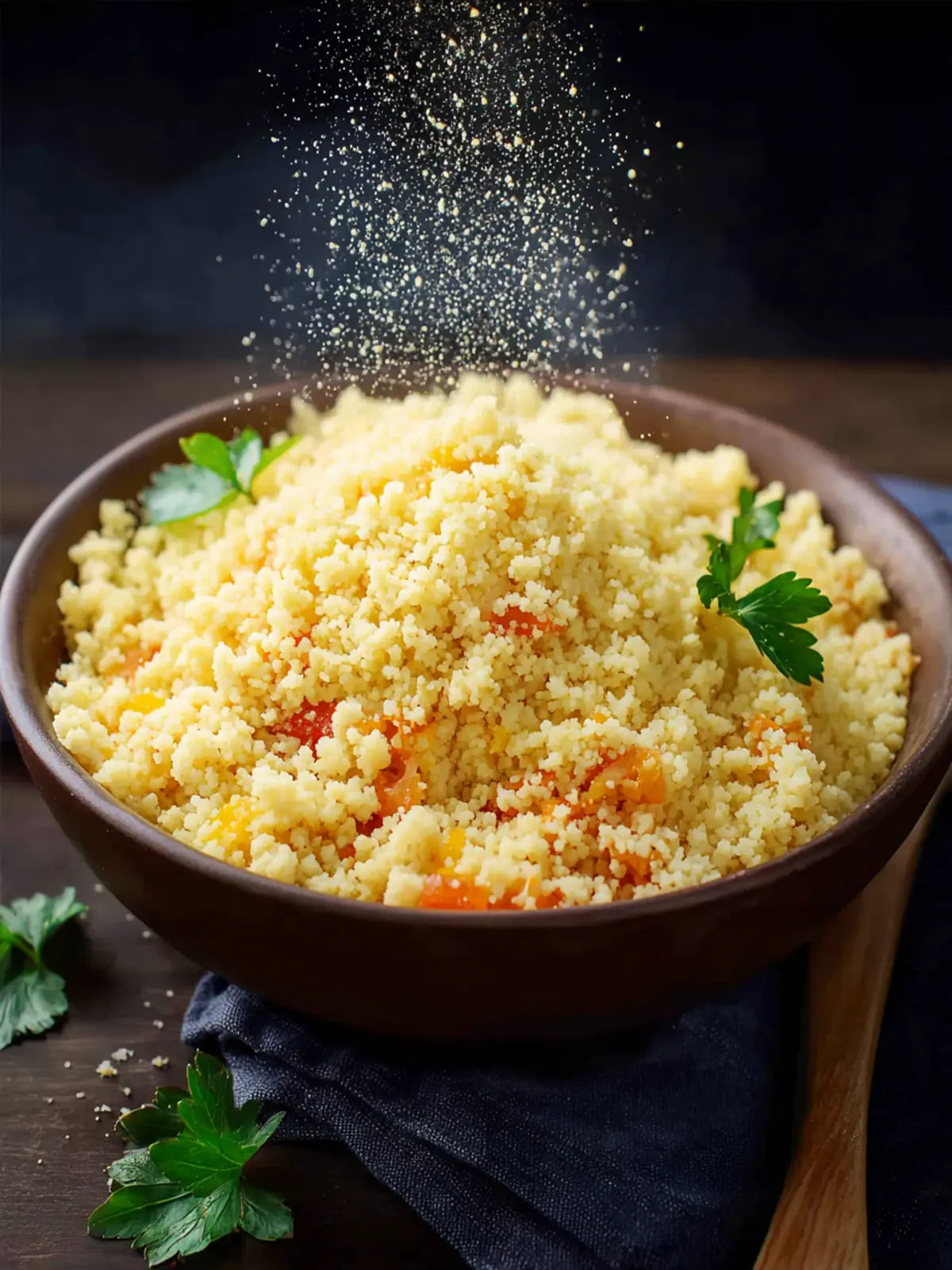
Serving Suggestions for Your Couscous Dish
Couscous is wonderfully versatile, making it a delightful canvas for various flavors and textures. By learning how to cook couscous, you can craft dishes that stand out at any meal. Here are some suggestions to make your couscous shine.
Pairing with Grilled Vegetables
Enhance your couscous by incorporating grilled vegetables. Think zucchini, bell peppers, and eggplant, lightly tossed in olive oil and seasoned with herbs. The charred sweetness of the veggies melds beautifully with the fluffy grains, adding both color and nutrition to your plate.
Accompany with Meat Dishes
Couscous pairs exceptionally well with meat dishes, especially Middle Eastern-inspired options like chicken tagine or lamb kebabs. The light texture of couscous balances the richness of the meat, soaking up the delicious juices for a satisfying meal.
Enjoying with Flavorful Sauces
Don’t shy away from bold sauces! A drizzle of harissa or a zesty lemon-tahini dressing can elevate your couscous to new heights. These flavorful additions create a harmonious blend, making each bite a delightful surprise.
With these tips, your couscous will not only be cooked perfectly but will also be a vibrant highlight in your culinary repertoire.
Time Breakdown for Cooking Couscous
Cooking couscous can be a delightful experience, especially when you realize how little time it takes to prepare a healthy, versatile dish. Here’s a breakdown of the time commitments involved, so you can plan your meal with ease.
Preparation Time
You’ll need about 5 minutes to gather your ingredients and prepare them for cooking. This includes measuring out your couscous and any additional flavorings like broth or spices you wish to use.
Cooking Time
Once you’ve prepared, it usually takes around 10 minutes for the couscous to cook. It’s a hands-off process, allowing you to focus on other components of your meal while it steams.
Total Time
From start to finish, you’re looking at a swift 15 minutes to have perfectly fluffy couscous. This makes it a go-to option for quick dinners or meal prep sessions that fit neatly into a busy schedule.
Nutritional Facts for Couscous
When exploring how to cook couscous, understanding its nutritional benefits can elevate your culinary experience. This light and fluffy grain is a great addition to any meal, blending seamlessly with a variety of flavors.
Calories
Couscous is relatively low in calories. One cup of cooked couscous contains about 176 calories, making it a nutritious option for those mindful of their caloric intake.
Carbohydrates
Rich in carbohydrates, couscous provides approximately 36 grams per cooked cup. This makes it an excellent source of energy, perfect for fueling your day.
Protein
Couscous also offers a moderate amount of protein—about 6 grams per cup. While not a complete protein, it can be easily complemented with other protein sources, making it a versatile choice for meals.
FAQs about Cooking Couscous
Cooking couscous can be an art, and like any culinary adventure, questions are bound to surface. Here are some of the most frequently asked questions about how to cook couscous, designed to make your experience delightful and hassle-free.
How can I make my couscous fluffier?
To achieve the perfect fluffy couscous, the key lies in the steaming process. After cooking, let the couscous sit for about 5 minutes, then fluff it with a fork to separate the grains. For an extra touch, add a tablespoon of olive oil or a small pat of butter before fluffing—it’ll make a world of difference!
What are some common spices to add to couscous?
While couscous is delicious on its own, it truly comes alive with the right spices. Some popular options include:
- Cinnamon: Adds warmth and sweetness, especially in Moroccan dishes.
- Cumin: A savory choice that pairs wonderfully with veggies.
- Turmeric: For a vibrant color and earthy flavor.
- Coriander: Brightens up your dish with its citrusy notes.
Feel free to experiment; just remember, it takes only a pinch to start enhancing your flavors!
Can I cook couscous in broth instead of water?
Absolutely! Cooking couscous in broth—be it vegetable, chicken, or beef—infuses it with incredible flavor. This simple swap transforms your dish, making it not just a side but a flavor-packed centerpiece. Just follow the standard ratios, and you’ll enjoy a delicious, savory couscous dish that impresses every time!
With these tips, you are now equipped to navigate the world of couscous with confidence. Happy cooking!
Conclusion on Cooking Couscous
Mastering how to cook couscous transforms it from a simple grain to a delightful dish on your table. The beauty of couscous lies in its versatility; it embraces various flavors, whether you’re stirring in vegetables, spices, or proteins. Remember, the key is to let it steam properly for that light, fluffy texture we all crave. Enjoy the process—experiment with different ingredients! You’ve now got the tools to elevate your meals with a popular staple. So the next time you’re brainstorming dinner ideas, keep couscous in mind; it can easily become your new go-to side!
Print
Couscous Recipe
- Total Time: 20 minutes
- Yield: 2 servings 1x
- Diet: Vegetarian
Description
A simple and quick couscous recipe that is perfect as a side dish or a base for salads.
Ingredients
Scale
- 1 cup water
- 1 tbsp olive oil (extra virgin)
- 1/2 tsp salt
- 1 cup couscous
Instructions
- Place the water in a small saucepan and bring it to a boil.
- Add in the olive oil and salt.
- Add the dry couscous and give it a stir. Cover with a lid and let the couscous sit for 15 minutes, undisturbed.
- Uncover and fluff using a fork. Transfer to a plate and serve.
Notes
- For added flavor, consider adding herbs or spices to the boiling water.
- Serve with vegetables or protein of your choice for a complete meal.
- Prep Time: 5 minutes
- Cook Time: 15 minutes
- Category: Side Dish
- Method: Boiling
- Cuisine: Mediterranean
Nutrition
- Serving Size: 1 cup
- Calories: 200
- Sugar: 0g
- Sodium: 120mg
- Fat: 7g
- Saturated Fat: 1g
- Unsaturated Fat: 5g
- Trans Fat: 0g
- Carbohydrates: 30g
- Fiber: 2g
- Protein: 6g
- Cholesterol: 0mg


